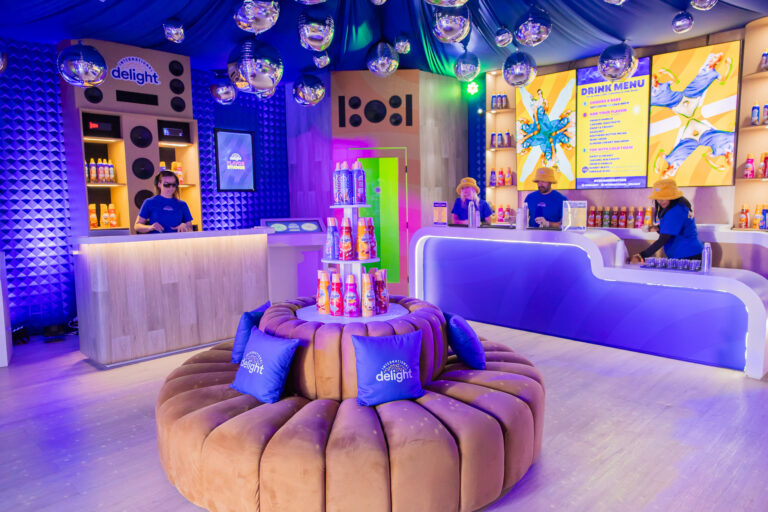
Most brands think they’re doing experiential marketing when they launch an Instagrammable pop-up or hand out free samples at a sporting event. But the truth is: tactics without strategy are just noise. They might create a quick spike in awareness, but it’s rarely anything that lasts.
At Inspira, we see this all the time. When a brand jumps straight to execution without a clear point of view, the result is a moment people walk past or grab a sample and move on, not one they remember. And let’s be honest. No one falls in love with a brand after one event. But they do form a first impression. And, according to the proprietary research we commissioned for our first Relationship Report, 68% of consumers say that personalized experiences make them feel connected to brands.
That’s the role of a great brand experience. It’s the opening chapter of a relationship. It’s the a-ha moment that leads to, “This brand gets me.” Strategy is what turns that moment from disposable into meaningful.
Here’s the truth: experience is everything only when it’s strategically built from the ground up — aligned to business goals, the target consumer, culture, the brand’s identity, and measurable ROI.

Experiences That Aren’t Strategic Are Temporary
Take sampling. It’s everywhere. But what most brands call sampling is simply just handing out product in hopes someone buys it later. That’s tactic, not strategy. The difference is subtle, but monumental. Real experiential sampling invites consumers into the brand’s world and gives them the opportunity to touch, taste, learn, and belong to something bigger than a transaction. That’s the core of thoughtful experiential design.
We’ve seen what happens when you build experiences with strategy first. You shift from asking “Will they notice us?” to “Will they feel something about us?” That shift is where emotional connection, loyalty, and long-term value are created.
Strategy is the Bridge Between Experience and Business Outcome
A brand experience without strategic direction is like a story without a plot. Creative strategy is the foundation of any experiential initiative that moves beyond decoration into measurable impact. And it performs better because it mirrors real motivations, barriers, and emotional triggers. Insight-driven planning ensures that experiential design choices reflect audience expectations and communication styles, increasing the likelihood of meaningful engagement.
Strategy is what guides every choice, from understanding who your audience is and what they care about, to defining clear objectives that directly align with business goals. Whether your goal is brand awareness with a specific demographic, or shifting perceptions among an audience segment, strategy maps your creative execution back to measurable success.
Without strategy, experiences become random acts of marketing. With strategy, experiences become business drivers.
Alignment With Culture and Consumer Matters More Than Ever
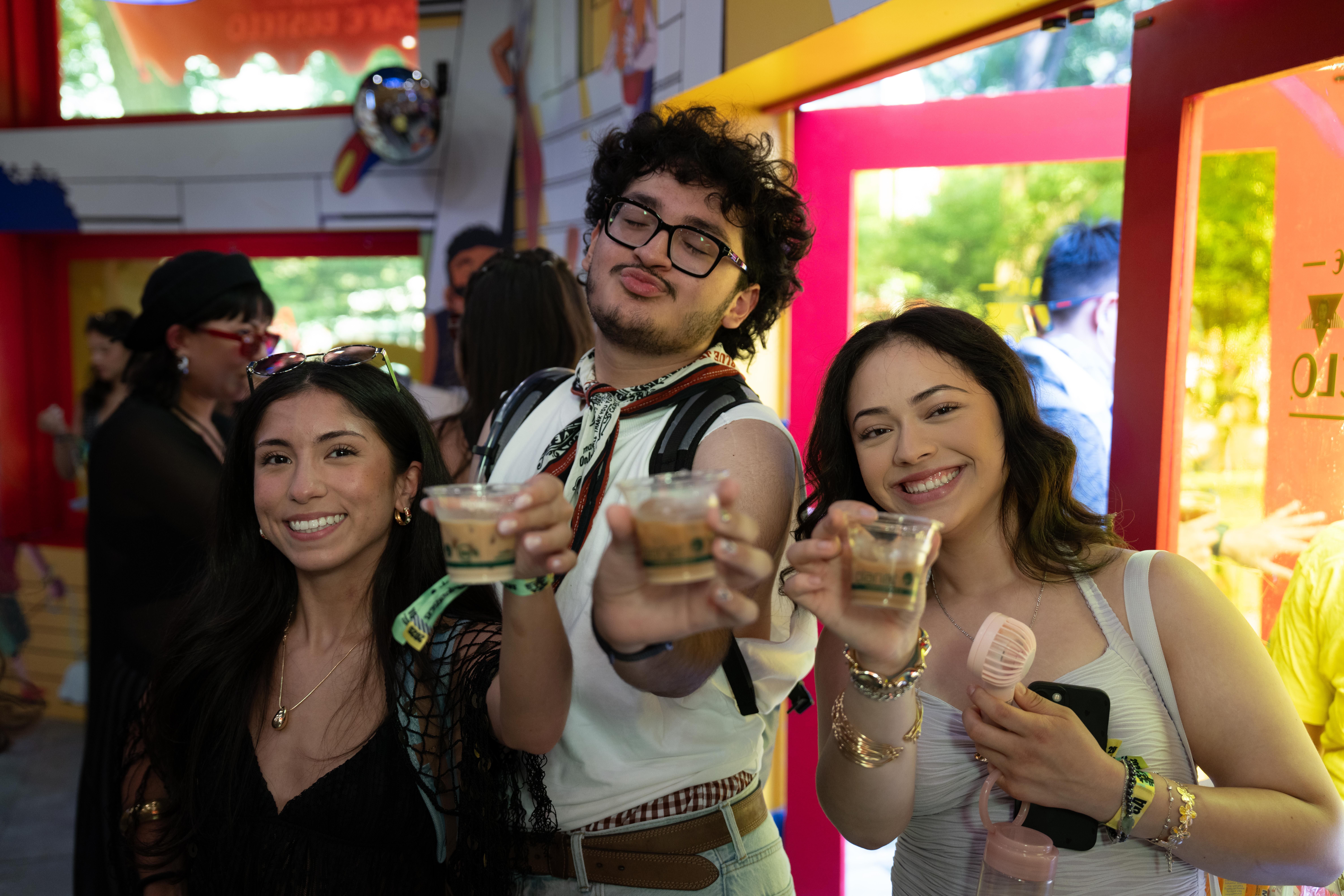
Consumers today don’t want to be talked at. They want to be understood, seen, and part of something meaningful. That’s why blending digital and physical engagement through thoughtful integrated strategy, delivers far deeper results than either one in isolation. When digital and experiential reinforce each other, the experience doesn’t end at the event; it travels with the consumer across platforms and moments.
Both data and human behavior back this up. At its core, experiential marketing is about inviting participation, not broadcasting messages. When consumers feel active in the experience, they develop emotional attachments and even advocacy.
This requires knowing your audience deeply; not just demographics, but cultural context, values, behaviors, and where they are in their relationship with your brand. That level of insight only comes from strategy first.
Strategy Anchors an Experience to the Brand’s Identity
Brands that succeed with experiential marketing think of every touchpoint as an opportunity to tell one coherent story, not a series of disjointed moments. Creative strategy brings that to life. Instead of relying on isolated tactics, strategic experiences echo the brand’s narrative and values in everything participants see, feel, and share.
At Inspira, we’ve long believed that brand experiences must do more than generate content or social posts. They must communicate shared values and deepen consumer relationships. As our CEO Jeff Snyder explains, experiences become platforms for shared values, not just marketing gimmicks.
That’s why strategic experiences elevate beyond temporary buzz. They shape perceived identity, embed meaning into the brand, and build long-term affinity, positioning the brand as culturally relevant and emotionally resonant.
And in 2026’s competitive landscape, that shift matters more than ever. Brands without strategy create experiences people forget. Brands with strategy create memories people carry with them and that drives loyalty, advocacy, and ultimately, business growth.
If you’d like a next-level strategic blueprint for your own experiential program, reach out for a consultation. We’d love to talk strategy with you.